Formula 1 vs. GT: The Difference Between Open-Wheel and Closed-Car Series

Formula 1 vs. GT: The Difference Between Open-Wheel and Closed-Car Series
Formula 1 and GT racing represent two very different sides of motorsport – technically, visually, and culturally. Formula 1 stands at the pinnacle of open-wheel racing, featuring ultra-light, aerodynamically optimized machines built purely for speed. GT (Gran Turismo) racing, on the other hand, is defined by cars that look – and often are – based on road-going sports cars. But what truly separates these two worlds, and why do they attract such different kinds of drivers and fans?
Open-Wheel vs. Closed Cars – The Core Difference
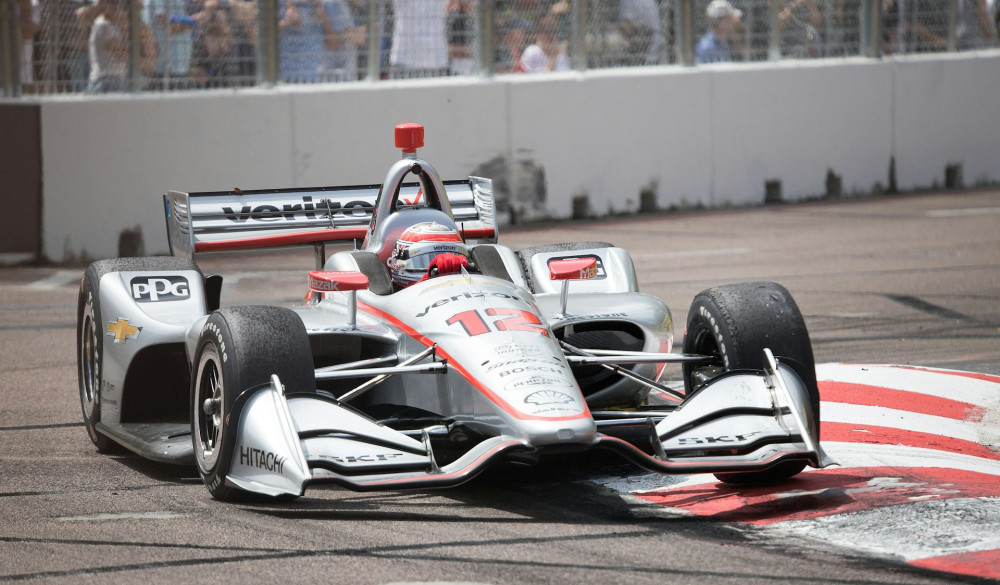
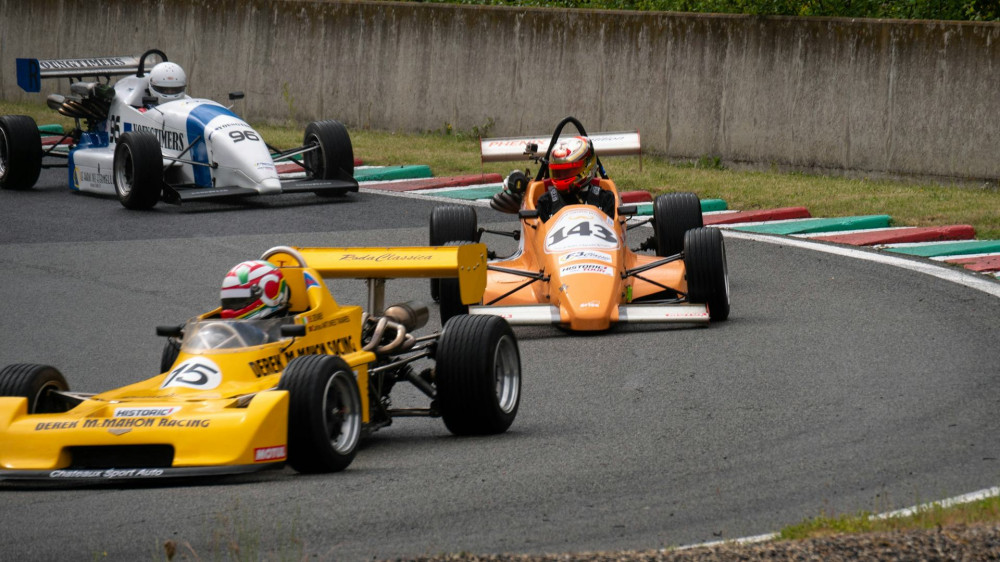
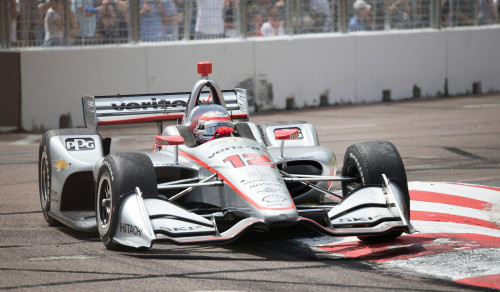
The most obvious distinction lies in the design of the cars. Formula 1 cars are open-wheel racers, meaning the tires are exposed outside the bodywork, and the cockpit is open (though protected by the Halo safety device). This design minimizes weight, maximizes aerodynamic efficiency, and gives drivers an unmatched sense of connection to the track.
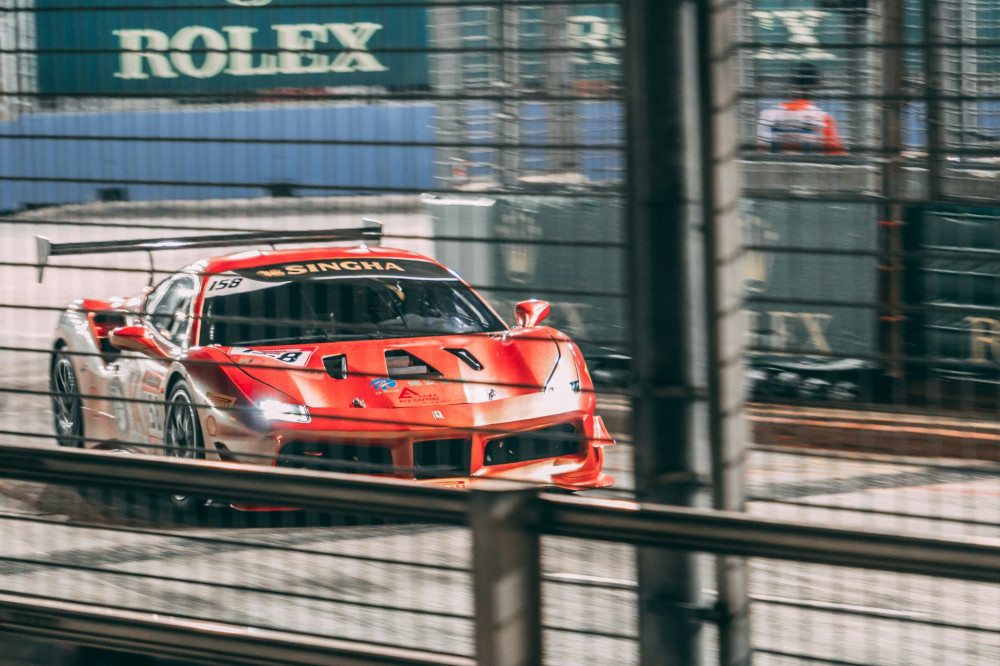
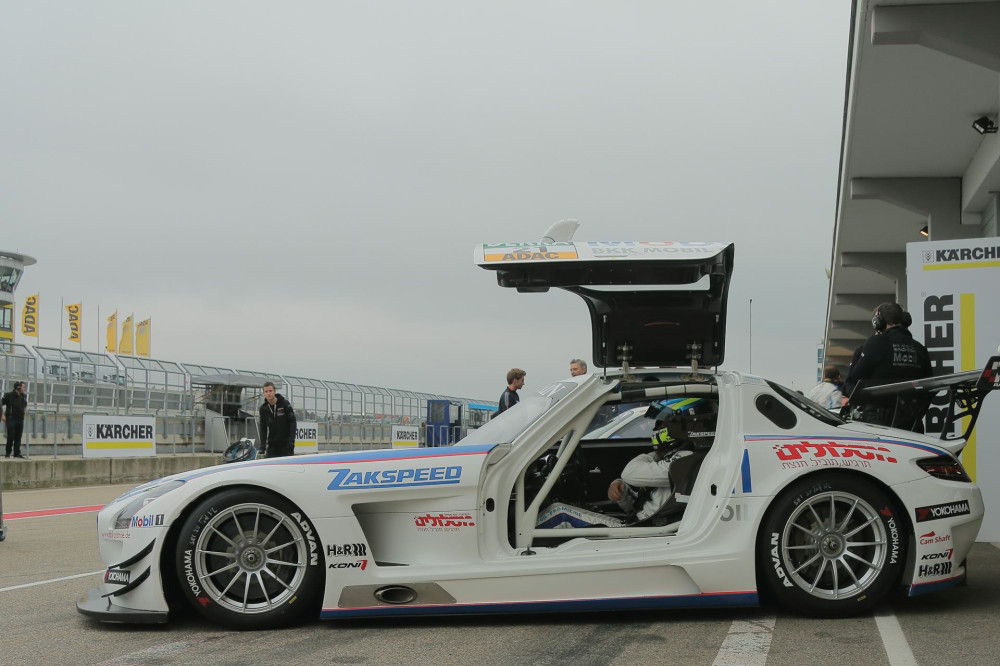
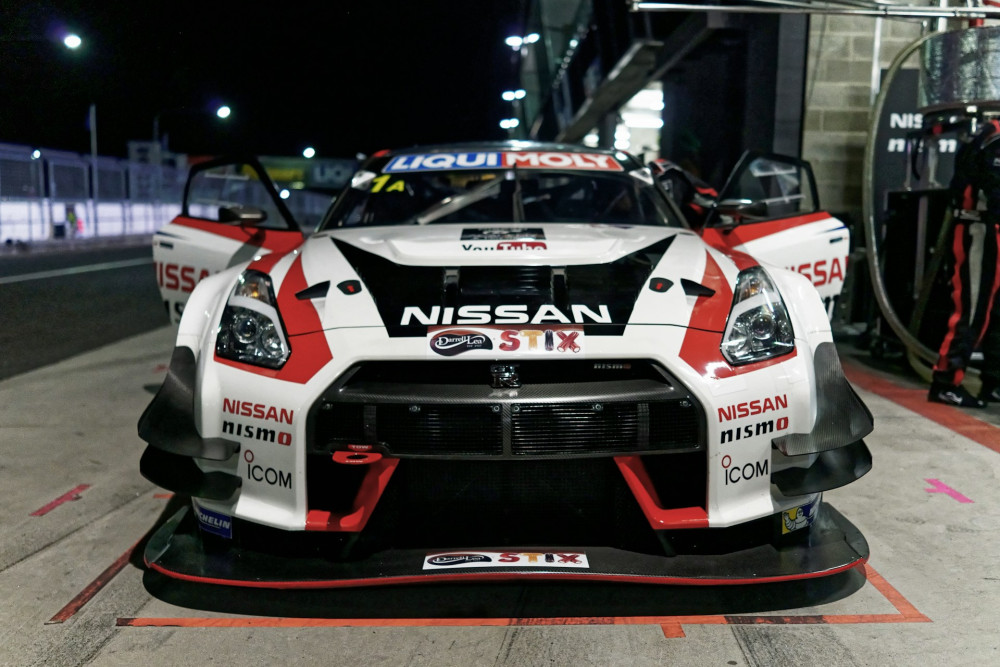
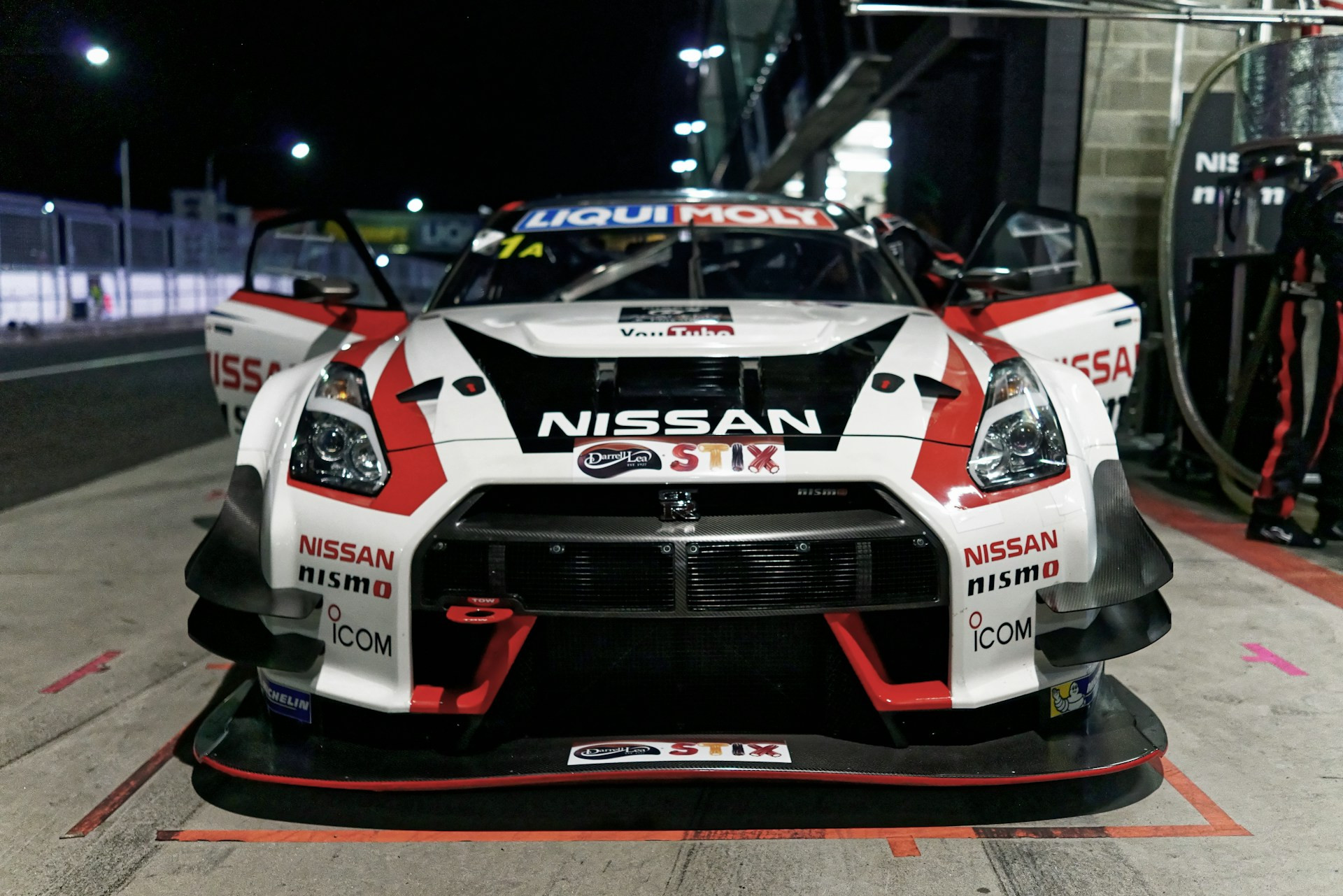
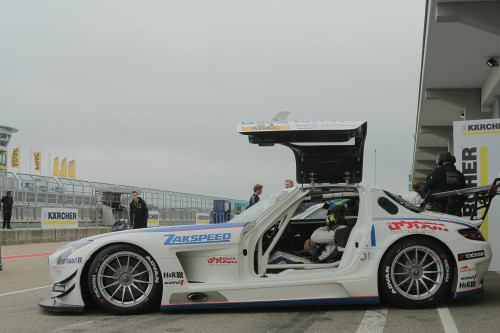
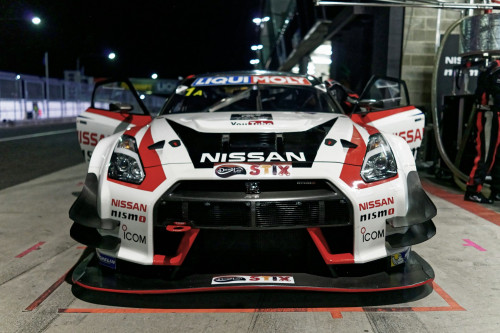
GT cars, by contrast, are closed-body vehicles, often derived from production models like the Porsche 911, Chevrolet Corvette, or Ferrari 296. They have roofs, doors, and windshields, and while they’re heavily modified for racing, they still resemble the cars you might see on the street – at least in spirit.
Læs også:
Technology and Speed – Two Different Philosophies
Formula 1 is the cutting edge of automotive technology. Teams develop advanced hybrid power units, intricate aerodynamic systems, and lightweight materials that often influence future road cars. A modern F1 car can accelerate from 0 to 60 mph in about 2.5 seconds and reach speeds exceeding 215 mph.
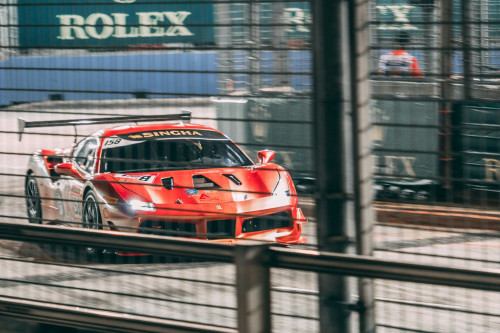
GT racing, however, emphasizes durability and balance over outright speed. The cars are heavier, slower, and less aerodynamically extreme, but they’re built to last. In many GT series – such as the IMSA WeatherTech SportsCar Championship in the U.S. or the FIA World Endurance Championship (WEC) – endurance is key. Races can last anywhere from one hour to 24 hours, with multiple drivers sharing the same car.
Race Format and Strategy
Formula 1 races typically last around 90 minutes to two hours, with one driver per car. Strategy revolves around tire management, pit stop timing, and pure pace. Every second counts, and a single mistake can make or break a race.
GT racing offers a much wider variety of formats. Some events are short sprints, while others – like the 24 Hours of Le Mans or the Rolex 24 at Daytona – test both man and machine over an entire day. Success depends on teamwork, consistency, and adaptability to changing conditions such as night driving, rain, and traffic from slower classes.
Fans and Atmosphere
Formula 1 is a global spectacle – glamorous, high-tech, and followed by millions around the world. It’s associated with iconic circuits like Monaco, Silverstone, and Austin’s Circuit of the Americas. The atmosphere is one of prestige and precision, where every detail is engineered for perfection.
GT racing, in contrast, has a more grassroots and accessible feel. Fans can often get closer to the cars and drivers, and the paddock atmosphere is more relaxed. Many enthusiasts appreciate that GT cars look like something they could actually buy – even if the race versions are far more extreme under the skin.
The Drivers – Specialists and All-Rounders
Formula 1 drivers are specialists in short, intense races that demand absolute precision and focus. They train to extract every fraction of a second from their cars. GT drivers, meanwhile, must master endurance, teamwork, and adaptability. Many former F1 stars – such as Fernando Alonso and Jenson Button – have transitioned to GT and endurance racing to take on new challenges and experience a different side of competition.
Two Worlds, One Passion
While Formula 1 and GT racing differ in almost every way, they share a common core: a passion for speed, engineering, and competition. Formula 1 represents the ultimate in innovation and precision, while GT racing celebrates endurance, teamwork, and the pure joy of driving.
For motorsport fans, it’s not about choosing one over the other – it’s about appreciating the contrast. One is a sprint of perfection measured in seconds; the other, a marathon of resilience measured in hours. Both are thrilling expressions of what happens when humans and machines push their limits.
Læs også: