From Las Vegas to the World: How Craps Became a Global Phenomenon

From Las Vegas to the World: How Craps Became a Global Phenomenon
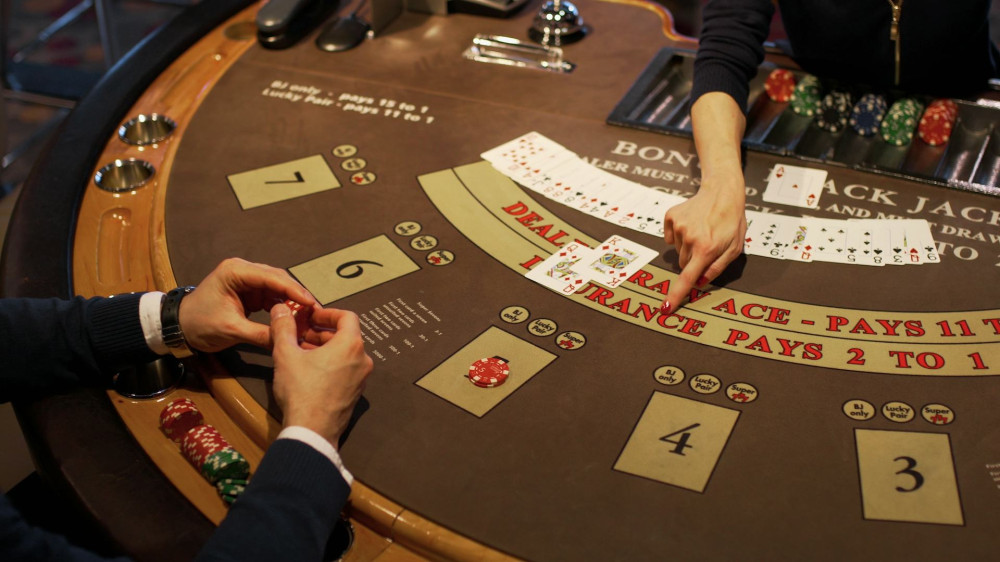
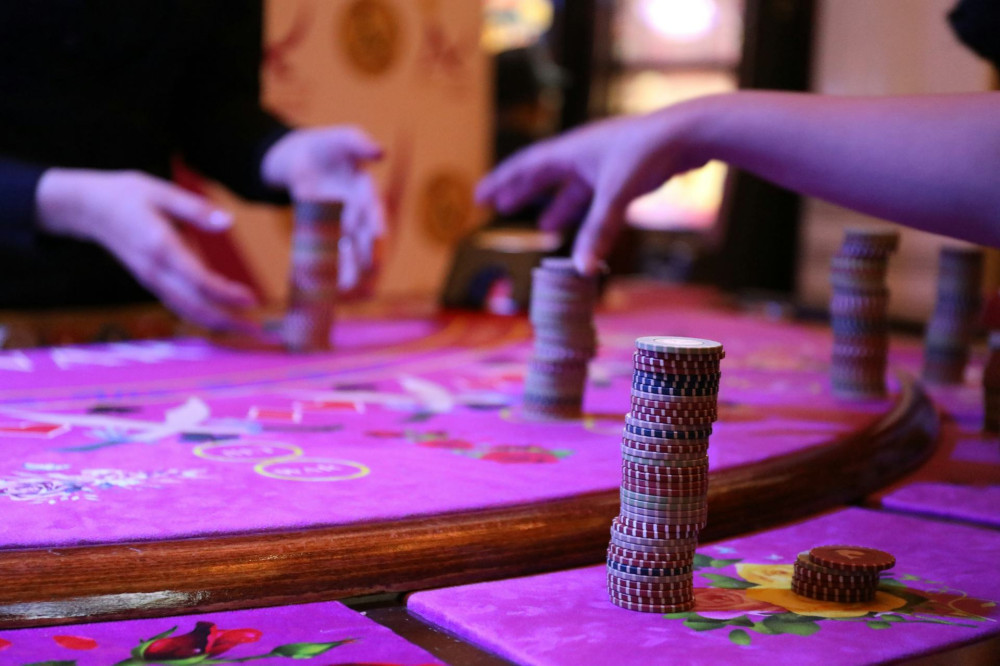
Walk into any casino on the Las Vegas Strip, and you’ll hear it before you see it—the cheers, the clatter of dice, the collective gasp when the shooter lets them fly. The craps table is alive with energy, a mix of luck, camaraderie, and pure adrenaline. But how did this uniquely American dice game, once confined to the neon glow of Vegas, become a global sensation played everywhere from Monte Carlo to Macau—and even on smartphones around the world?
From French Streets to American Soldiers
Craps traces its roots back to the French game crapaud—meaning “toad,” a nod to the crouched position players once took while rolling dice on the streets. French settlers brought the game to North America in the 18th century, particularly to Louisiana, where it evolved into a faster, simpler version that appealed to sailors, soldiers, and everyday gamblers.
By the early 20th century, craps had become a distinctly American pastime. It was easy to learn, required only two dice, and could be played anywhere—from back alleys to bar counters. During World War II, American soldiers made it their game of choice, using it to pass time and build camaraderie. When they returned home, they brought the game with them, embedding craps deep into American culture.
Læs også:
Las Vegas Turns Craps into a Spectacle
When Las Vegas rose to prominence in the mid-20th century, craps found its ultimate stage. The game’s fast pace and social nature fit perfectly with the city’s spirit of excitement and showmanship. Casinos quickly realized that craps tables drew crowds—not just players, but spectators who couldn’t resist the contagious energy.
Craps became more than a game; it became a performance. The shooter’s roll could electrify an entire table, uniting strangers in shared anticipation. The cheers, the high-fives, the collective sighs of disappointment—this was Vegas at its best. The craps table embodied the city’s promise: that with a little luck, anyone could win big.
The Digital Leap: From Casino Floors to Computer Screens
The 1990s brought a revolution that would change gambling forever—the internet. Online casinos began to emerge, and craps quickly made the leap from felt tables to digital screens. Early versions struggled to capture the social buzz of a live game, but as technology advanced, so did the experience. High-quality graphics, live dealers, and real-time multiplayer options helped recreate the thrill of the casino floor.
Today, craps is just a tap away. Players can roll the dice on their laptops, tablets, or phones, joining live games streamed from studios or real casinos. This accessibility has opened the game to a global audience, connecting players from New York to Tokyo in a shared moment of chance.
Craps in Pop Culture
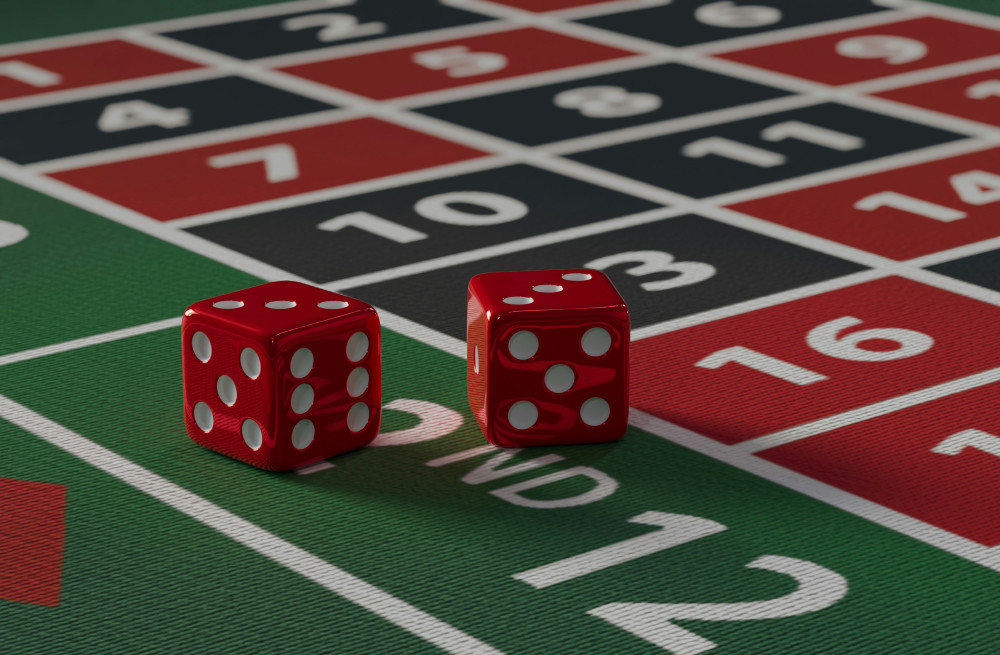
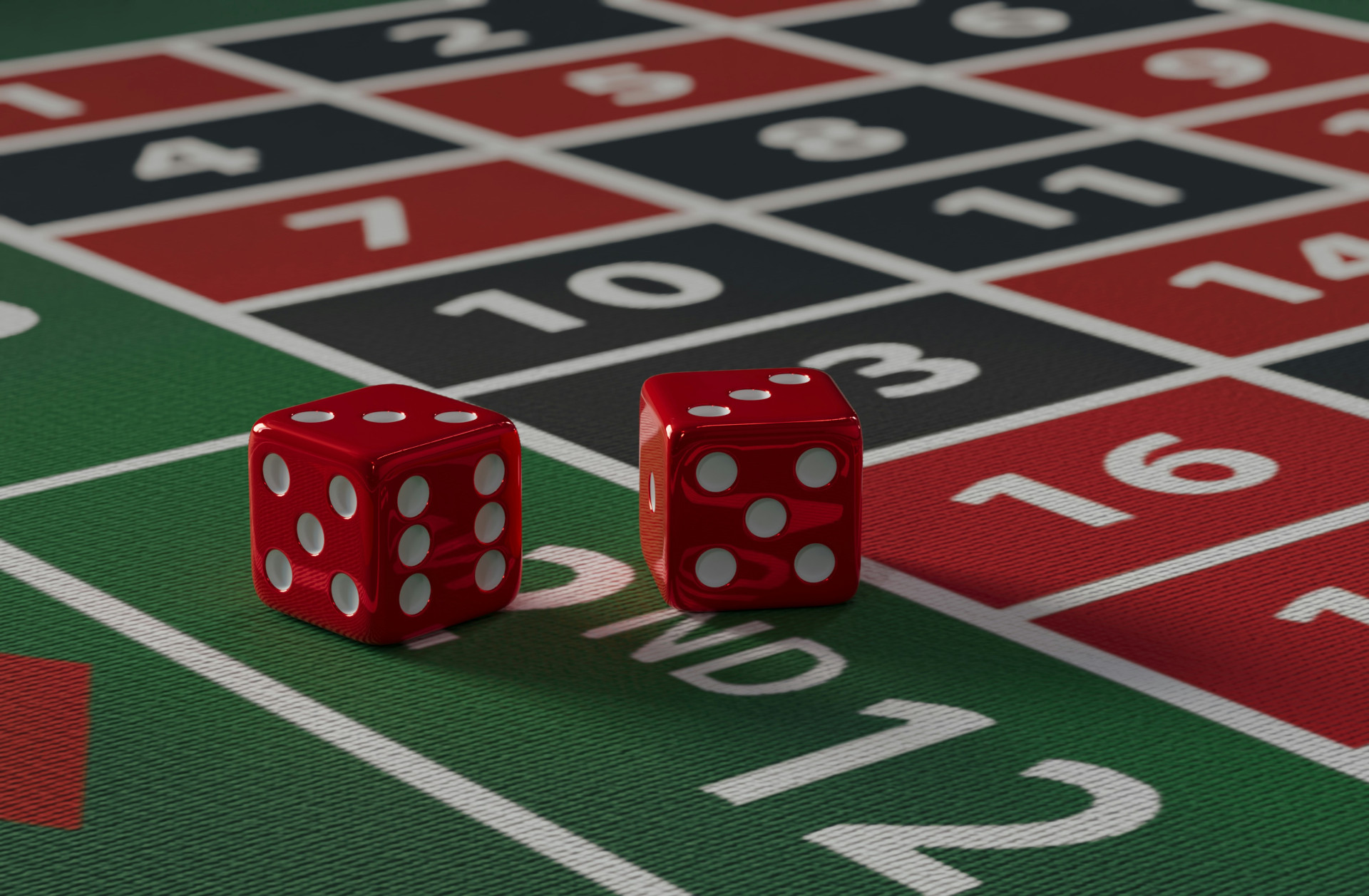
Craps has long been a symbol of Las Vegas glamour and American risk-taking. Hollywood has immortalized the game in countless films, where a single roll of the dice can change a character’s fate. Even those who’ve never stepped foot in a casino recognize the image of dice tumbling across green felt—it’s shorthand for luck, risk, and the dream of beating the odds.
Beyond the movies, craps remains one of the most social games in the casino. Unlike many other table games, players often root for each other, celebrating wins together. That sense of community is part of what keeps the game timeless.
A Game That Connects the World
Today, craps tables can be found in casinos across the globe, and millions more play online. Despite centuries of change—from French origins to digital reinvention—the essence of the game remains the same: two dice, a bit of luck, and the thrill of possibility.
From the streets of 18th-century France to the dazzling lights of Las Vegas and the screens of players worldwide, craps has proven that a simple game of chance can transcend borders, cultures, and generations—rolling its way into the heart of global gaming culture.
Læs også: