From Sensors to Statistics: New Technology Improves the Accuracy of Baseball Predictions

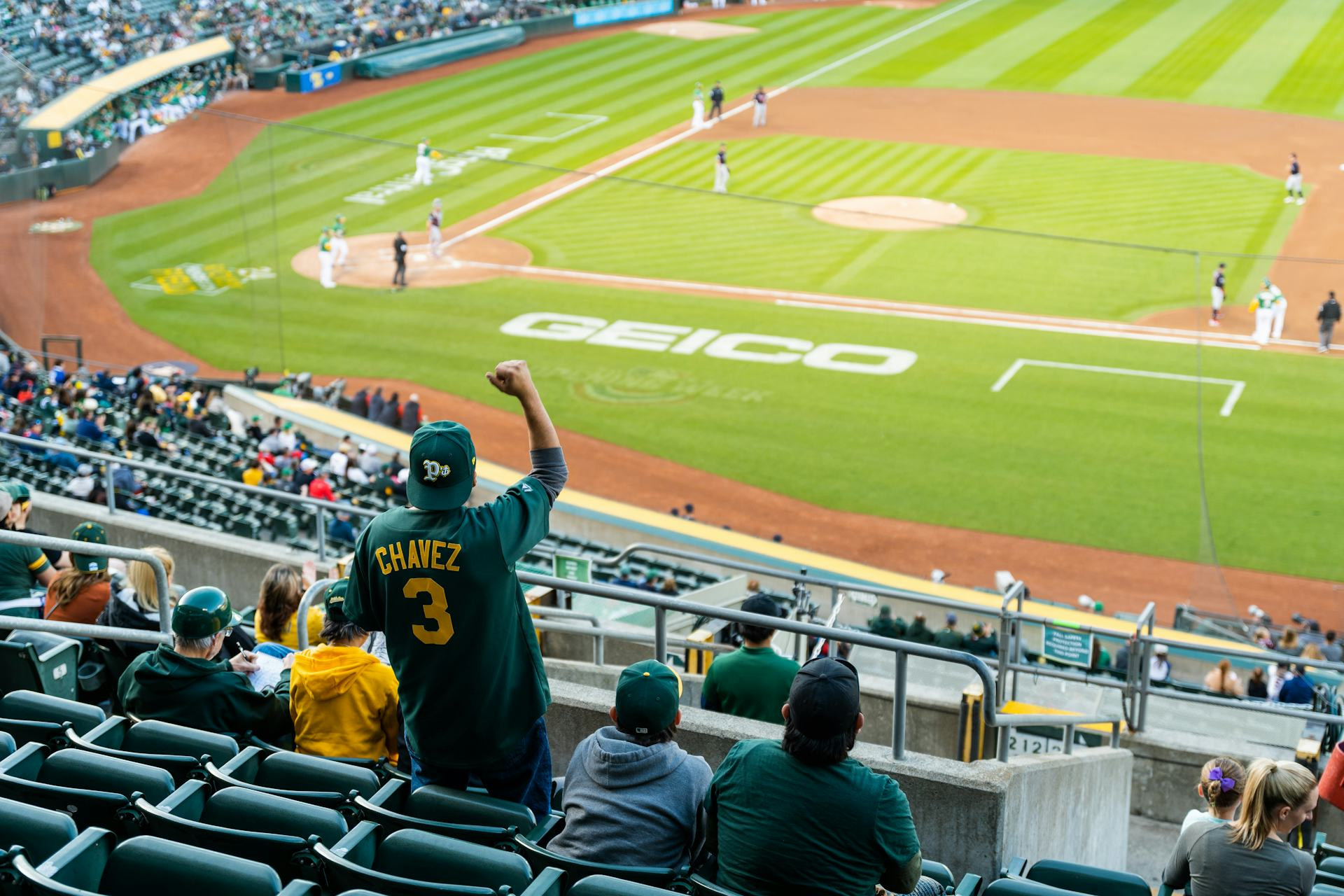
From Sensors to Statistics: New Technology Improves the Accuracy of Baseball Predictions
Baseball has always been a game where numbers meet intuition. Coaches, players, and fans have long debated how best to predict game outcomes, batting performance, and pitching strategies. But in recent years, technology has transformed the sport. From sensors embedded in equipment to advanced data analytics and artificial intelligence, baseball has become one of the most technologically monitored sports in the world—and predictions have never been more accurate.
From Stopwatches to Sensors
A few decades ago, player performance was tracked with stopwatches, notebooks, and the human eye. Today, sensors, cameras, and radar systems record every movement on the field. Major League Baseball’s Statcast system, for example, measures everything from pitch velocity and spin rate to a fielder’s sprint speed and reaction time.
These data points give coaches and analysts a far more detailed picture of the game. They also form the foundation for statistical models that can predict how a player is likely to perform in a given situation. That means teams—and even fans—can get a more realistic sense of what’s likely to happen on the field.
Artificial Intelligence Joins the Lineup
Artificial intelligence (AI) has become a powerful new player in baseball analytics. By processing millions of data points, AI algorithms can identify patterns that even the most experienced coaches might miss. For instance, an algorithm can determine how a particular pitcher performs against left-handed hitters in humid conditions, or how a batter reacts to a specific type of breaking ball.
These models aren’t just used by teams. Fans, fantasy baseball players, and sports bettors are also turning to AI-driven insights. Where once predictions relied on gut feelings and simple stats, they can now be based on complex analyses that account for everything from weather conditions to player fatigue.
Læs også:

Real-Time Data and a New Fan Experience
One of the biggest changes is the availability of real-time data. During games, fans can track how the probability of a hit, strikeout, or home run shifts with every pitch. This has made baseball more interactive—not only for viewers but also for those who follow the game with an analytical or financial interest.
Several platforms now offer live, continuously updated predictions, with algorithms adjusting probabilities as the game unfolds. This adds a new dimension to the viewing experience and allows fans to understand the game’s dynamics on a deeper level.
Ethical and Practical Challenges
While technology has made baseball more precise and exciting, it also raises important questions. How much should be left to algorithms? Can data analysis replace human intuition and experience? And what happens if teams gain so much information that the game loses its unpredictability?
There are also practical challenges. Sensors and cameras require maintenance, and the sheer volume of data is enormous. It takes skilled analysts to filter the information and turn it into actionable insights. In many MLB organizations today, there are nearly as many data specialists as there are coaches.
The Future of Baseball Predictions
The evolution is far from over. Emerging technologies such as machine learning, biometric sensors, and virtual simulations are already making their way into the sport. Future predictions won’t just focus on who will win a game, but also on how individual players can optimize performance and prevent injuries.
For fans and analysts alike, baseball is becoming even more data-driven—and even more fascinating. Because no matter how precise the numbers get, there will always be room for that unpredictable moment when a player defies every forecast. And that’s where the true magic of baseball still lives.
Læs også: