Horse Racing Around the World: Traditions and Insights from Different Cultures

Horse Racing Around the World: Traditions and Insights from Different Cultures
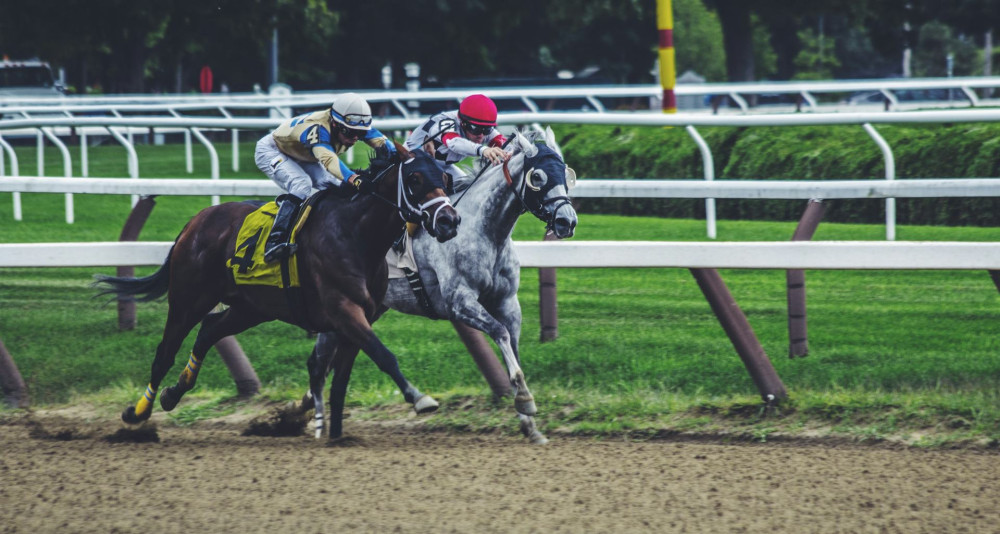
Horse racing is one of humanity’s oldest sports—a thrilling blend of speed, strategy, and the deep connection between human and horse. From the green tracks of England to the vast Mongolian steppes and the golden deserts of Arabia, horse racing has evolved in countless ways. Yet, the admiration for the horse’s power and grace remains universal. This article explores how different cultures have shaped the sport and what makes horse racing more than just a race.
From Ancient Glory to Modern Spectacle
The roots of horse racing stretch back thousands of years. In ancient Greece and Rome, chariot races were among the most celebrated events, symbolizing honor and prestige. During the Middle Ages, tournaments and hunts laid the groundwork for the organized races we know today.
Modern thoroughbred racing took shape in 17th-century England, where nobles began breeding fast horses and competing on formal tracks. From there, the sport spread across Europe, the Americas, and beyond—becoming a symbol of both tradition and social gathering.
England: The Birthplace of the Thoroughbred
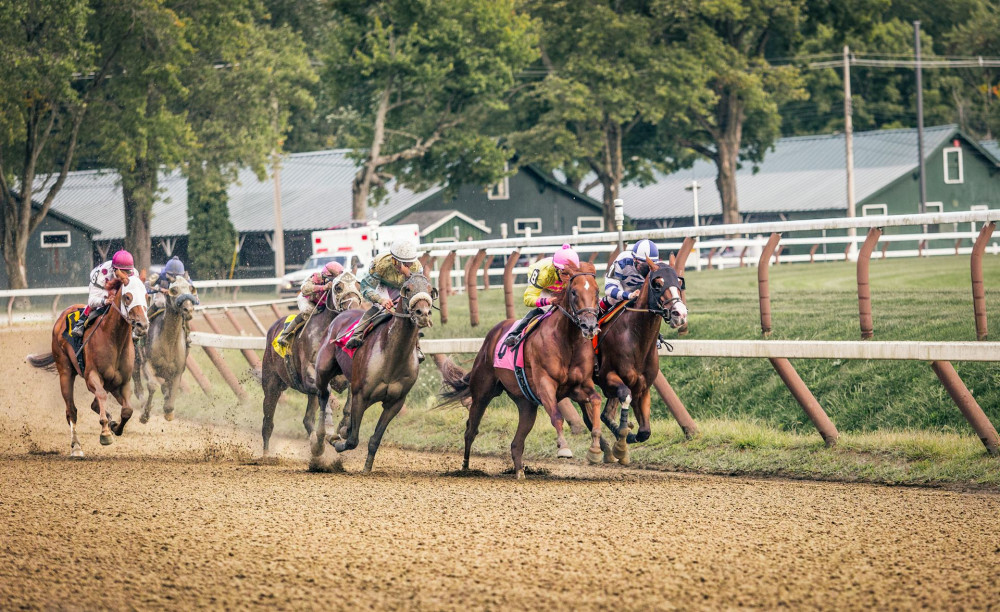
England is often regarded as the cradle of modern horse racing. The first official races were held in Newmarket, and many of the classic events—such as The Derby and Royal Ascot—have been running for centuries. These are not just sporting contests but also major social occasions, where fashion, tradition, and royal presence play a central role.
English racing is known for its precision and professionalism. Breeding, training, and tactics are treated as sciences, and the country’s influence has shaped the global racing industry.
The United States: Speed, Glamour, and the Triple Crown
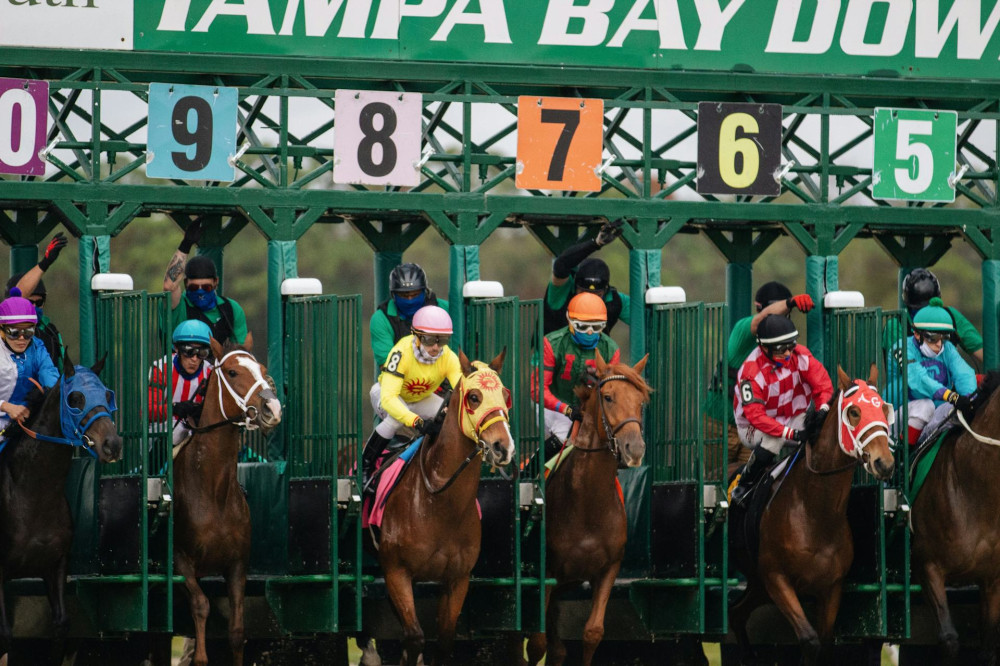
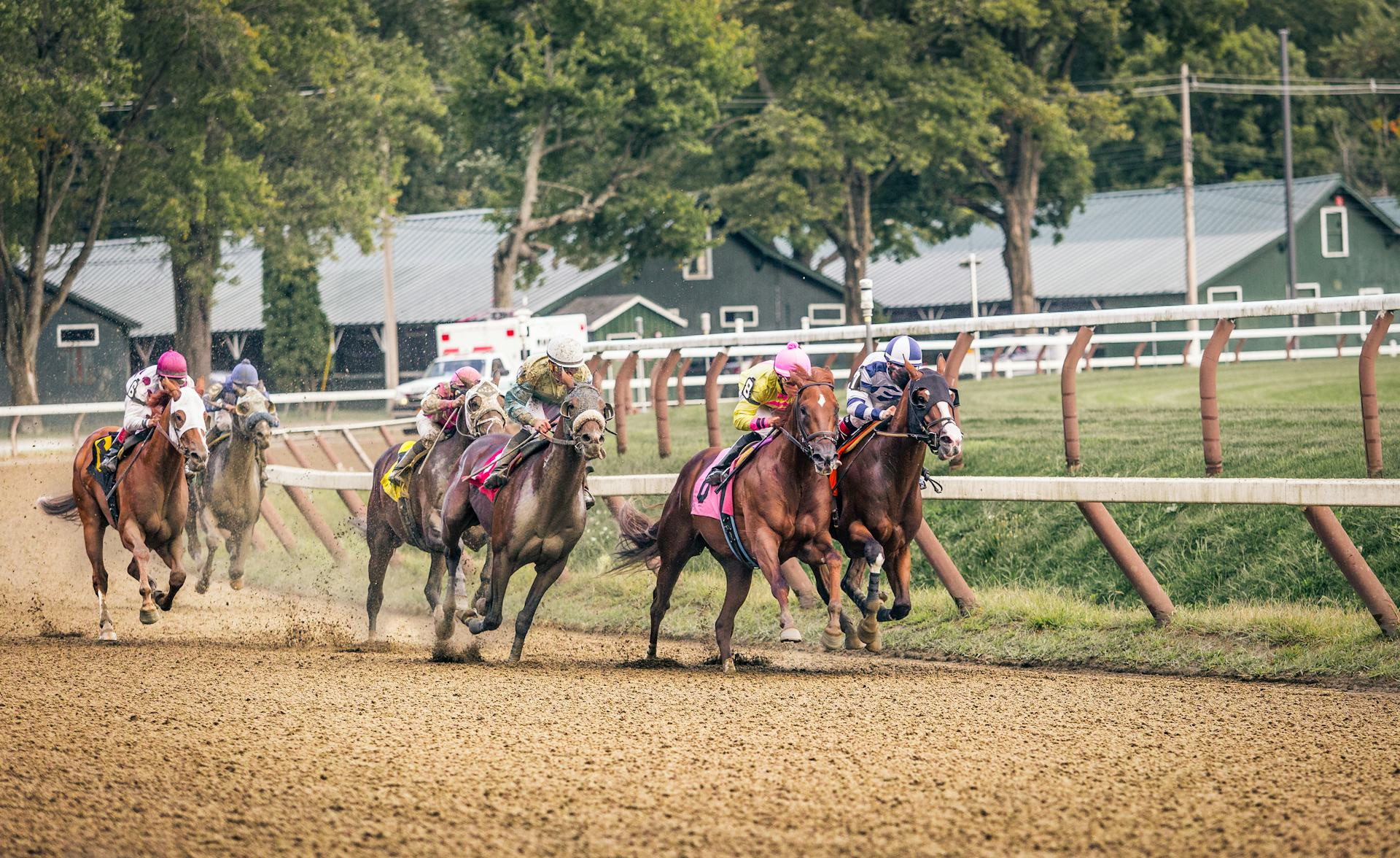
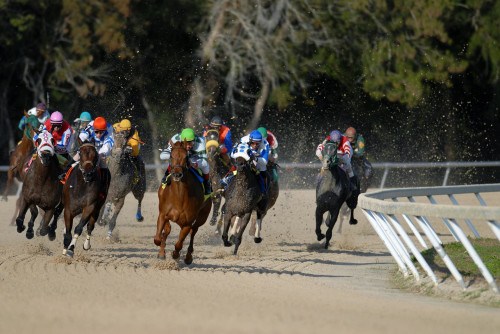
In the United States, horse racing has become part of the entertainment landscape. The Kentucky Derby, Preakness Stakes, and Belmont Stakes—collectively known as the “Triple Crown”—draw millions of viewers and generate enormous betting activity.
American racing is characterized by its showmanship and intensity. Fans come for the spectacle as much as for the sport, and the events are steeped in cultural tradition. The Kentucky Derby, for instance, is as famous for its mint juleps, extravagant hats, and Southern charm as it is for the race itself. It’s a celebration of heritage, community, and the thrill of competition.
The Middle East: Desert Heritage and Arabian Pride
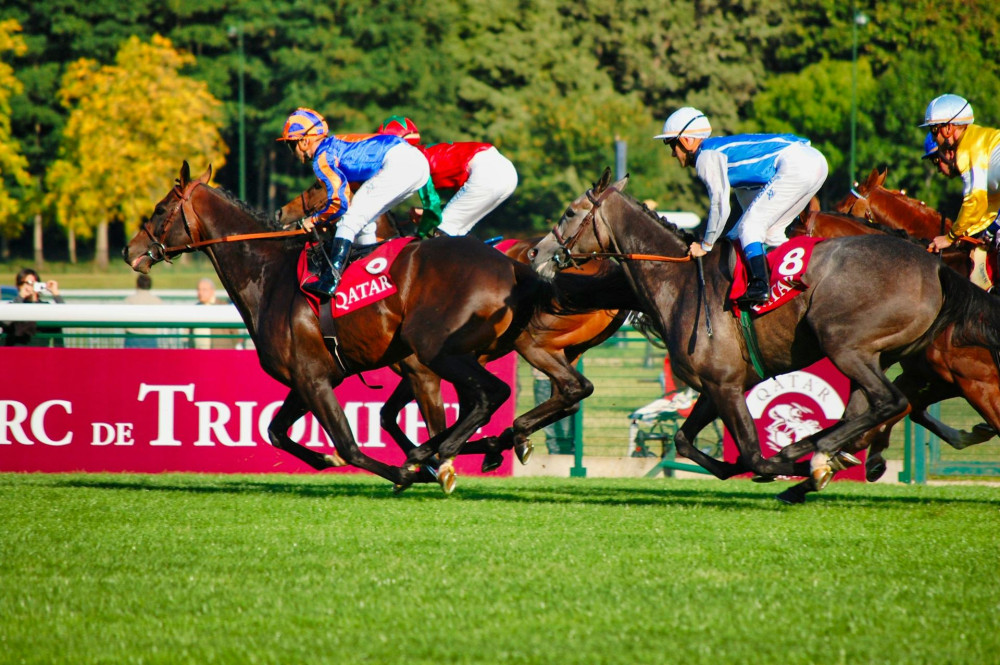
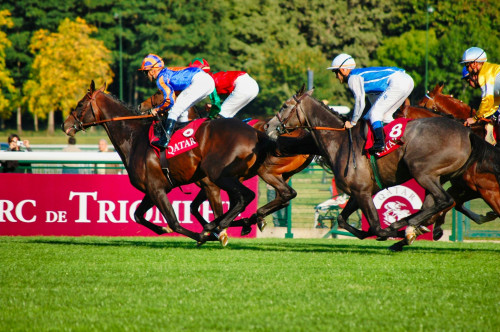
In the Arab world, horse racing carries deep cultural significance. The Arabian horse, one of the oldest and most revered breeds, has been part of the region’s history for millennia. Today, countries like the United Arab Emirates, Qatar, and Saudi Arabia host some of the world’s richest races, combining ancient tradition with modern luxury.
For many in the Middle East, racing is not just about winning—it’s about honoring the horse’s role in survival, trade, and warfare. The sport reflects both pride in heritage and a forward-looking vision that embraces innovation and global prestige.
Asia: From the Steppes to the Metropolis
In Mongolia, horse racing is a national passion and a key part of the annual Naadam Festival. Riders—often children—race across open plains in endurance contests that can stretch for miles. Here, the focus is not on glamour but on stamina, skill, and harmony with nature.
Japan, by contrast, has developed a high-tech, fan-driven racing culture. Events like the Japan Cup attract international stars, and Japanese fans follow their favorite horses with remarkable enthusiasm. The sport blends precision, technology, and a uniquely Japanese sense of dedication and respect.
Northern Europe: The Spirit of Harness Racing
In Scandinavia, harness racing—where horses pull a small two-wheeled cart called a sulky—is the dominant form of the sport. Events like Sweden’s Elitloppet and Denmark’s Copenhagen Cup draw large crowds and have a loyal following.
Harness racing in the Nordic countries is known for its accessibility and community spirit. Many fans own shares in racehorses through cooperatives, and the sport is deeply rooted in local culture. It’s about togetherness, tradition, and a shared love of the horse.
Læs også:
A Global Sport with Local Souls
Though horse racing today is a multibillion-dollar global industry, it retains its local character wherever it’s practiced. Each culture brings its own rituals, race types, and ways of celebrating the horse. What unites them all is the fascination with speed, strength, and the partnership between human and animal.
Horse racing is more than a competition—it’s a reflection of the societies that cherish it. From royal tracks to open plains, the sport tells a timeless story of how people around the world have found joy, excitement, and identity in their bond with the horse.
Læs også: