Strategy in Three Periods – Adjust Your Hockey Betting to the Structure of the Game


Strategy in Three Periods – Adjust Your Hockey Betting to the Structure of the Game
Hockey stands apart from most other major sports because of its unique structure: three periods, relentless pace, and constant momentum swings. For bettors, understanding how the rhythm of a game evolves—and how teams respond in each phase—is key to making smarter wagers. Here’s how you can tailor your betting strategy to the three periods and take advantage of the game’s natural flow.
First Period – Feeling Out the Opponent
The first period is often about testing and adjusting. Teams are fresh, but they’re also cautious, trying to read the opponent’s tactics and find their own rhythm. Scoring tends to be lower early on, especially in evenly matched games.
As a bettor, you can:
- Consider “under” bets on total goals in the first period, particularly in matchups between strong defensive teams or elite goaltenders.
- Watch the opening minutes live before placing a wager—some games start with high energy, others with careful probing.
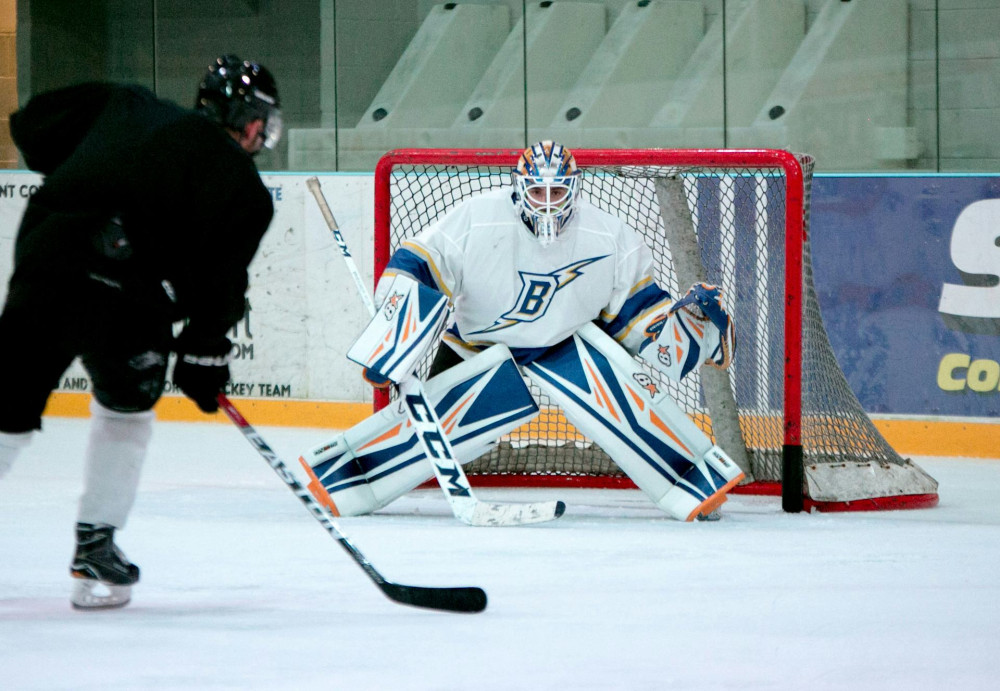
- Pay attention to goalie form—a hot start from a netminder can set the tone for the rest of the game.
The first period rarely decides the outcome, but it provides valuable clues about how the rest of the game might unfold.
Læs også:


Second Period – Open Play and Momentum Shifts
By the second period, the game usually opens up. Players are fully engaged, coaches start adjusting line matchups, and fatigue begins to play a role. The long change—when teams switch ends and have farther to skate for line changes—can also create defensive lapses and scoring chances.
Here’s how to capitalize:
- Look for live-betting opportunities on the next goal or period winner once you see which team has momentum.
- Target over/under markets, as the second period is often the highest-scoring.
- Track power-play efficiency, since penalties in this phase can swing the game dramatically.
The second period is where the game’s character truly takes shape—and where quick reactions can yield value.
Third Period – Pressure, Risk, and Desperation
The third period is where intensity peaks. Teams trailing on the scoreboard take more risks, while those ahead focus on protecting the lead. This creates a completely different dynamic—and new betting angles.
Consider:
- Betting on “most goals in the third period”, especially in close games where desperation drives offense.
- Watching for “empty net” opportunities, as teams pull their goalie late in regulation.
- Following live odds closely, since they can shift rapidly as the clock winds down.
The third period is unpredictable, but that volatility can be your ally if you understand how teams behave under pressure.
Bonus Strategy: Overtime and Shootouts
In the NHL and most North American leagues, games tied after three periods go to overtime or a shootout. Always check whether your bet applies to regulation time only or includes overtime. Many bettors overlook this detail, but it can make all the difference.
If you expect a tight matchup:
- Consider betting on a “tie after regulation”, which often offers strong odds.
- Be cautious with heavy favorites, especially if they tend to win in overtime rather than in regulation.
Read the Game’s Rhythm – and Stay Cool
Successful hockey betting isn’t just about stats—it’s about timing and understanding the game’s rhythm. By aligning your strategy with the three periods, you can respond to the flow of play instead of simply guessing the final score.
Watch for momentum swings, penalties, and goaltending performance—and remember, patience is often your best weapon. Hockey is a game in three acts, and the bettor who reads them right has the best chance to come out ahead.
Læs også: