When the Market Moves: How Odds Shifts Happen in Hockey


When the Market Moves: How Odds Shifts Happen in Hockey
If you follow hockey closely—whether it’s the NHL, the AHL, or college hockey—you’ll notice that betting odds rarely stay still. They move up and down, sometimes dramatically, in the hours or days leading up to puck drop. But what actually causes those shifts? And how can bettors understand what’s behind the market’s movement?
What Does an Odds Shift Mean?
An odds shift happens when sportsbooks adjust their assessment of a team’s chances to win. If a team’s moneyline moves from +120 to -105, it means the market—and therefore the bookmakers—now see that team as more likely to win. These changes can be driven by new information, betting volume, or strategic adjustments by the books.
In essence, odds reflect a living market, where data, news, and bettor behavior all influence the “price” of an outcome—much like a financial market.
Injuries, Lineup Changes, and Team News
One of the most common reasons for odds movement in hockey is team news. If a key player—say, a top-line center or a starting goaltender—is ruled out, it can significantly alter a team’s strength. Sportsbooks react quickly, and the market follows.
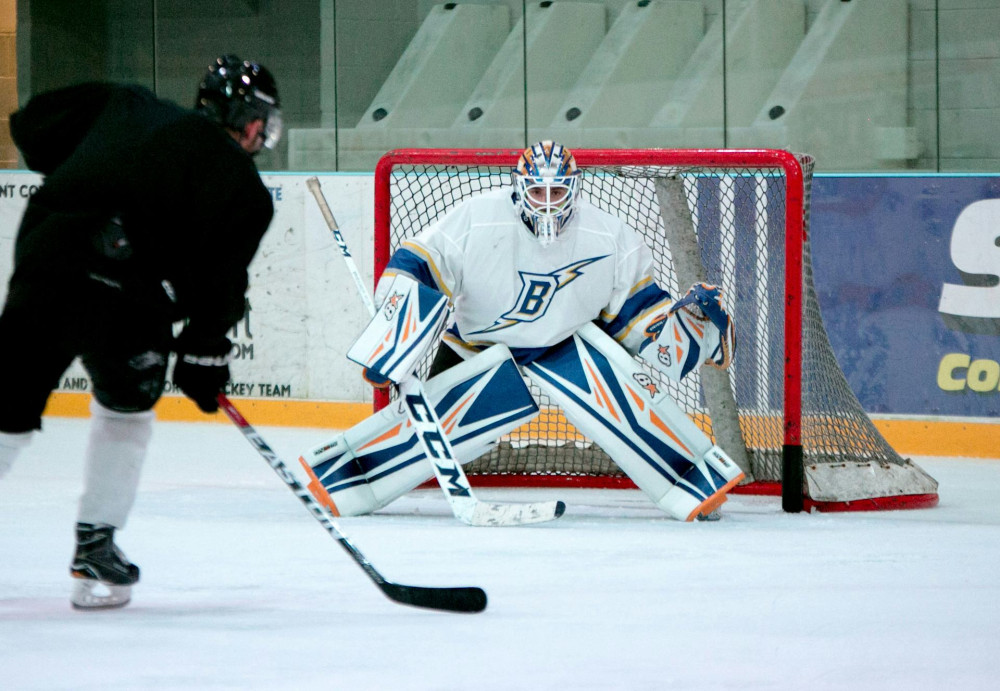
- Goaltenders have the biggest impact. A switch from a starter to a backup can move the line substantially.
- Injuries to top forwards or defensemen affect scoring potential and special teams performance.
- Suspensions or lineup rotations during busy stretches can also shift the balance.
In the NHL, information spreads fast through official reports and beat writers. But in smaller leagues or college hockey, local sources or insiders can provide an edge to those paying close attention.
How the Market Reacts to Betting Flow
Sportsbooks don’t just move lines based on news—they also react to how money is coming in. If a large number of bets or a few big wagers come in on one side, the odds may shift to balance the book’s exposure. That doesn’t always mean the probability has changed; it’s often about managing risk.
In hockey, where games are tight and outcomes unpredictable, sharp bettors—those with advanced models or inside knowledge—can move the market quickly. Early line movement can sometimes signal that informed bettors have spotted value before the rest of the market catches up.
Læs også:



Data, Form, and Underlying Metrics
Modern hockey betting is increasingly data-driven. Both sportsbooks and bettors analyze advanced stats like Corsi, Fenwick, expected goals (xG), and power-play efficiency. If a team has been generating lots of quality chances but not scoring, analysts might predict a turnaround. When enough people recognize the same pattern, the odds start to move.
Form trends, home-ice advantage, and travel schedules also matter. A team finishing a long road trip or playing back-to-back nights is often priced weaker, and the market adjusts accordingly.
Timing: When the Market Moves Most
The biggest odds shifts usually happen in two key windows:
- Right after lines open – when the market reacts to the initial numbers and corrects any early mispricing.
- Just before game time – when final lineups are confirmed and starting goalies are announced.
Between those times, the market tends to be more stable, but even small updates or betting surges can cause movement.
How Bettors Can Use Odds Movement
Understanding odds movement isn’t just about watching numbers—it’s about interpreting why they move. If a line drops because a star goalie is scratched, that’s logical. But if it moves without an obvious reason, it could mean someone knows something you don’t—or that the market is overreacting.
Some bettors try to “beat the market” by placing bets before the odds shift. That takes knowledge, timing, and discipline. For most, the key is recognizing that odds are dynamic—they represent a constantly evolving picture of probability.
A Market in Motion—Just Like the Game
Hockey is fast, physical, and unpredictable—and the betting market around it is no different. Odds shifts happen when new information, analysis, and emotion collide in real time. For curious fans and bettors alike, it’s a fascinating part of the sport: a game within the game, where understanding how the market moves can be just as thrilling as the action on the ice.
Læs også: